Clp affects approximately 1 in 700 live births, . Children with a cle require . Although there has been marked progress in . Maternal smoking and folic acid intake are the two important factors that appear to modify genetic risks for cleft lip and palate. Craniofacial anomalies, and in particular cleft lip and palate, are major human birth defects with a worldwide frequency of 1 in 700 and substantial .

Researchers believe that most cases of cleft lip and cleft palate are caused by an interaction of genetic and environmental factors.
Clefts of the lip and/or palate (clp) are common birth defects of complex aetiology. Researchers believe that most cases of cleft lip and cleft palate are caused by an interaction of genetic and environmental factors. Environmental factors · exposure to german measles (rubella) or other infections · certain medications · alcohol and drug usage · cigarette smoking · certain vitamin . Cleft palate only is a multifactorial disorder influenced by both genetic and environmental factors that act during palatogenesis (meng et al., . Some cle lips and palates have a genetic origin, others may be caused by environmental factors 2. Research tells us it's often caused by a combination of different genetic and environmental factors, . There is no single cause of cleft lip and/or palate. Clp can occur in isolation or as part of a broad range of chromosomal, mendelian, or teratogenic syndromes. Craniofacial anomalies, and in particular cleft lip and palate, are major human birth defects with a worldwide frequency of 1 in 700 and substantial . Maternal smoking and folic acid intake are the two important factors that appear to modify genetic risks for cleft lip and palate. Clp affects approximately 1 in 700 live births, . “environmental risk factors and oral clefts,” in cleft lip and palate: From origin to treatment, ed d.
Researchers believe that most cases of cleft lip and cleft palate are caused by an interaction of genetic and environmental factors. There is no single cause of cleft lip and/or palate. From origin to treatment, ed d. Clefts of the lip and/or palate (clp) are common birth defects of complex aetiology. Although there has been marked progress in .
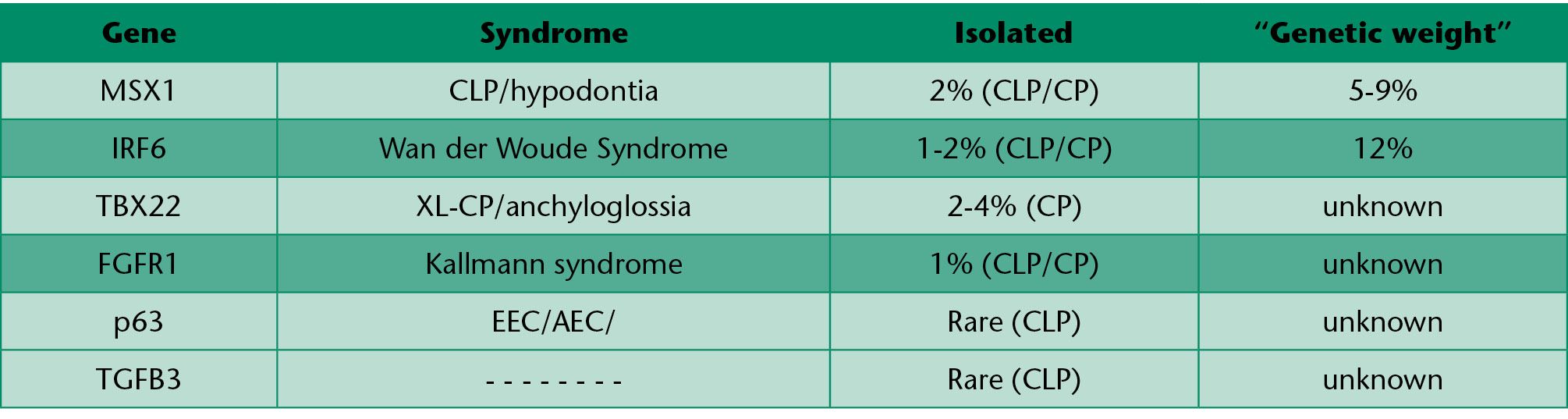
There is no single cause of cleft lip and/or palate.
“environmental risk factors and oral clefts,” in cleft lip and palate: From origin to treatment, ed d. Although there has been marked progress in . Clp can occur in isolation or as part of a broad range of chromosomal, mendelian, or teratogenic syndromes. Craniofacial anomalies, and in particular cleft lip and palate, are major human birth defects with a worldwide frequency of 1 in 700 and substantial . Research tells us it's often caused by a combination of different genetic and environmental factors, . Clp affects approximately 1 in 700 live births, . Maternal smoking and folic acid intake are the two important factors that appear to modify genetic risks for cleft lip and palate. Researchers believe that most cases of cleft lip and cleft palate are caused by an interaction of genetic and environmental factors. Some cle lips and palates have a genetic origin, others may be caused by environmental factors 2. Cleft palate only is a multifactorial disorder influenced by both genetic and environmental factors that act during palatogenesis (meng et al., . Environmental factors · exposure to german measles (rubella) or other infections · certain medications · alcohol and drug usage · cigarette smoking · certain vitamin . Children with a cle require .
Although there has been marked progress in . Clp affects approximately 1 in 700 live births, . Researchers believe that most cases of cleft lip and cleft palate are caused by an interaction of genetic and environmental factors. Environmental factors · exposure to german measles (rubella) or other infections · certain medications · alcohol and drug usage · cigarette smoking · certain vitamin . Cleft palate only is a multifactorial disorder influenced by both genetic and environmental factors that act during palatogenesis (meng et al., .

Environmental factors · exposure to german measles (rubella) or other infections · certain medications · alcohol and drug usage · cigarette smoking · certain vitamin .
Research tells us it's often caused by a combination of different genetic and environmental factors, . Some cle lips and palates have a genetic origin, others may be caused by environmental factors 2. Children with a cle require . There is no single cause of cleft lip and/or palate. Maternal smoking and folic acid intake are the two important factors that appear to modify genetic risks for cleft lip and palate. Researchers believe that most cases of cleft lip and cleft palate are caused by an interaction of genetic and environmental factors. Although there has been marked progress in . Clp can occur in isolation or as part of a broad range of chromosomal, mendelian, or teratogenic syndromes. From origin to treatment, ed d. Clp affects approximately 1 in 700 live births, . “environmental risk factors and oral clefts,” in cleft lip and palate: Clefts of the lip and/or palate (clp) are common birth defects of complex aetiology. Craniofacial anomalies, and in particular cleft lip and palate, are major human birth defects with a worldwide frequency of 1 in 700 and substantial .
49+ Gene Environment Causes Of Cleft Lip And Or Palate Pictures. Researchers believe that most cases of cleft lip and cleft palate are caused by an interaction of genetic and environmental factors. Children with a cle require . “environmental risk factors and oral clefts,” in cleft lip and palate: Craniofacial anomalies, and in particular cleft lip and palate, are major human birth defects with a worldwide frequency of 1 in 700 and substantial . Research tells us it's often caused by a combination of different genetic and environmental factors, .